

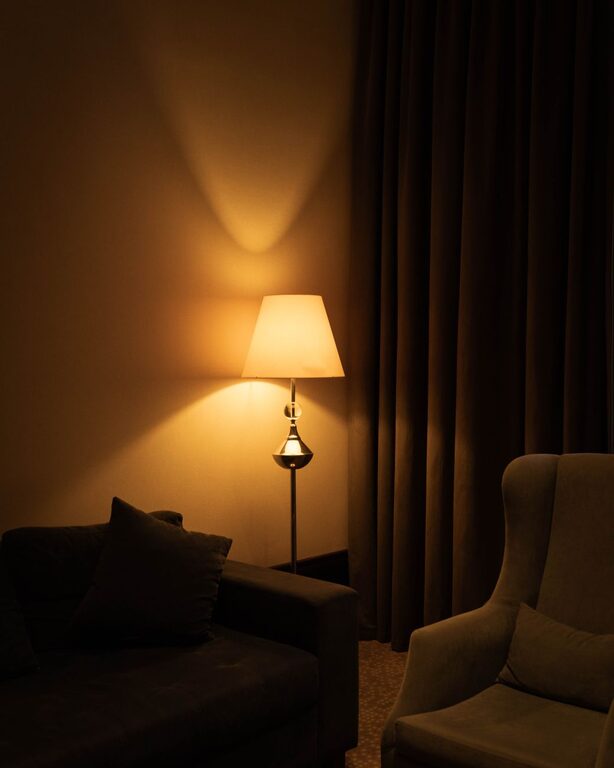
Good lighting can make a home feel more welcoming, practical, and relaxing. It can highlight architectural details, support everyday tasks, and create a comfortable atmosphere in every room. However, choosing lighting is about more than picking attractive fixtures. The type, brightness, color, and placement of each light all affect how a space looks and feels.
The best approach is to plan lighting around how you use each room. A kitchen needs clear light for food preparation, while a living room may benefit from softer layers that work for reading, entertaining, or relaxing. With a few simple principles, you can create a lighting plan that is both comfortable and functional.
Start With the Room’s Purpose
Before buying a fixture or bulb, consider what usually happens in the room. A space may need more than one type of lighting because different activities call for different levels of brightness.
Ask yourself:
– What tasks take place in this room?
– Does the room receive much natural light?
– Will people sit, stand, read, work, or move around?
– Should the atmosphere feel lively, calm, cozy, or flexible?
– Are there areas that need special attention?
For example, a home office may require focused light near a desk, while a bedroom often benefits from gentle lighting near the bed and a brighter option for cleaning or getting dressed. Matching the lighting to the room’s purpose helps prevent spaces from feeling either too dim or overly bright.
Use Three Layers of Lighting
Comfortable homes usually combine three basic layers: ambient, task, and accent lighting. Using all three creates balance and allows you to adjust the room for different activities.
Ambient Lighting
Ambient lighting provides general illumination. It is the main layer that helps people move around safely and see the overall space. Ceiling fixtures, recessed lights, chandeliers, and wall-mounted fixtures can all provide ambient light.
Try to spread ambient lighting evenly rather than relying on one extremely bright fixture in the center of the room. Multiple sources can reduce harsh shadows and make the space feel more balanced.
Task Lighting
Task lighting provides extra brightness for specific activities. Examples include:
– Pendant lights over a kitchen island
– Under-cabinet lights for countertops
– Desk lamps for writing or computer work
– Reading lamps beside a chair
– Vanity lights near a bathroom mirror
– Bedside lamps for reading
Place task lights close enough to the work area to be useful, but avoid positioning them where they create glare or cast shadows. A desk lamp, for instance, should be placed so your hand or body does not block the light.
Accent Lighting
Accent lighting adds visual interest and draws attention to selected features. It can be used to highlight artwork, shelves, plants, textured walls, or architectural details.
Picture lights, spotlights, wall sconces, and small lamps can all serve as accent lighting. This layer is not essential for basic visibility, but it helps create depth and personality. Even a simple room can feel more inviting when accent lights are placed thoughtfully.
Choose a Comfortable Light Color
Light color affects the mood of a room. Bulbs are commonly described using a color temperature scale measured in kelvins. Lower numbers generally look warmer and more golden, while higher numbers appear cooler and more bluish.
For many homes, warm or neutral-white light works well:
– Warm light creates a relaxed, cozy atmosphere.
– Neutral-white light feels clean and balanced.
– Cooler light can feel crisp and energetic.
Warm lighting is often suitable for bedrooms, living rooms, dining areas, and entryways. Neutral-white lighting can work well in kitchens, bathrooms, laundry rooms, and home offices. The best choice depends on your preferences, the room’s colors, and the amount of natural light.
Try to keep the light color consistent within connected spaces. Using noticeably different bulb colors in adjoining rooms can make the overall home feel disjointed.
Avoid Glare and Harsh Shadows
A light can be bright without being comfortable. Glare often comes from exposed bulbs, highly reflective surfaces, or fixtures positioned directly in your line of sight.
To reduce glare:
– Choose fixtures with shades, diffusers, or frosted covers.
– Avoid placing bare bulbs at eye level.
– Angle adjustable lights away from reflective screens and mirrors.
– Use curtains or blinds to manage strong daylight.
– Position lamps beside, rather than directly behind, seating areas.
– Select matte finishes when possible.
Shadows can also affect comfort. A single overhead light may leave parts of a room dark while creating strong shadows beneath cabinets or furniture. Combining ceiling lights with lamps or wall fixtures usually creates a softer and more even result.
Select the Right Brightness
Brightness is often measured in lumens. A bulb with more lumens produces more light, but the right amount depends on the room size, ceiling height, wall colors, and intended use.
Instead of choosing the brightest bulb available, think about how the light will be used. A small lamp beside a sofa may need less brightness than a ceiling fixture in a large kitchen. For flexible spaces, use dimmable fixtures or several smaller light sources rather than one powerful bulb.
Dimmers are especially useful in dining rooms, living rooms, bedrooms, and other spaces that serve more than one purpose. They allow you to create brighter light for practical activities and softer light for relaxing.
Consider Fixture Placement
The position of a light can be just as important as its design. A beautiful fixture may not work well if it is too high, too low, or placed in the wrong location.
Keep these ideas in mind:
– Hang dining lights high enough to maintain a clear view across the table.
– Place bedside lamps where switches are easy to reach.
– Center kitchen pendants over the areas where you work.
– Install bathroom lighting on both sides of a mirror when possible.
– Keep walkways and stairs evenly illuminated.
– Use wall lights to add brightness without taking up floor space.
In rooms with low ceilings, flush or semi-flush fixtures can provide useful overhead light without making the space feel crowded. In rooms with high ceilings, pendant lights or chandeliers can help bring the light source closer to the areas that need it.
Match Lighting to Your Decor
Lighting fixtures are part of the room’s design, so choose shapes, materials, and finishes that complement your furniture and architecture. This does not mean every fixture must match exactly. A coordinated mix can look more natural than a room filled with identical pieces.
Consider whether your home style is:
– Traditional and detailed
– Modern and streamlined
– Rustic and textured
– Minimal and understated
– Eclectic and colorful
Also look at the size of each fixture. A very small pendant may disappear above a large dining table, while an oversized fixture can overwhelm a compact room. Use the room’s proportions as a guide and leave enough space for people to move comfortably.
Make Lighting Easy to Control
Convenient controls make a lighting plan much more useful. Place switches near room entrances and consider additional controls near seating areas, beds, or work zones.
For larger rooms, divide fixtures into separate controls. You might use one switch for ambient lighting, another for task lighting, and a third for accent lights. Smart bulbs and timers can also help automate routines, but simple, accessible switches are often all you need.
When choosing bulbs and fixtures, check that they are compatible with dimmers and other controls. Following the manufacturer’s instructions helps ensure reliable operation.
Test Before Making a Final Choice
Lighting often looks different in a store, online photo, or showroom than it does at home. If possible, test bulbs and fixtures in the actual room before committing to a large purchase.
Observe the lighting at different times of day. Check how it looks with your wall colors, furniture, flooring, and window coverings. A bulb that seems ideal during the afternoon may feel too strong or too warm in the evening.
A thoughtful lighting plan does not require expensive fixtures or a complete renovation. By combining layers, choosing suitable light colors, reducing glare, and placing fixtures carefully, you can make each room more comfortable and useful. Start with the areas you use most, make small adjustments, and build a lighting scheme that supports the way you live.