

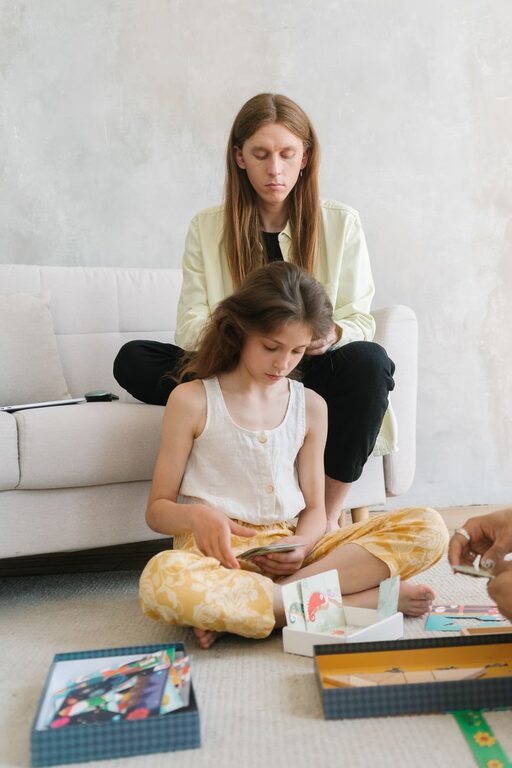
Family game night is a simple way to spend quality time together without leaving home. With a few games, easy snacks, and a relaxed plan, you can create an evening everyone looks forward to.
The best game nights do not need expensive equipment or complicated rules. The goal is to enjoy time together, laugh often, and make room for every family member to participate. Use the ideas below to plan a fun night for toddlers, school-age children, teens, and adults.
Choose a Game Night Theme
A theme can make an ordinary evening feel special. It also helps you choose games, food, and decorations.
Try one of these family-friendly themes:
– Classic game night: Play familiar board games and card games.
– Around the world: Choose games, snacks, or music inspired by different countries.
– Minute-to-win-it night: Plan short challenges using common household items.
– Game show night: Create teams, ask trivia questions, and keep score.
– Pajama game night: Let everyone wear pajamas and enjoy a cozy evening.
– Outdoor indoor night: Bring simple outdoor games inside if the weather changes.
– Mystery night: Add puzzles, clues, and a light family mystery to solve.
The theme does not have to be elaborate. A few colorful napkins, a playlist, or a special snack can be enough to set the mood.
Pick Games for Different Ages
A successful family game night includes activities that match the ages and attention spans of the players. If younger children are involved, choose games with simple instructions and short rounds. Older children may enjoy strategy, wordplay, or team challenges.
Consider offering a mix of games:
Classic Board Games
Board games are a popular choice because they are easy to set up and can often be played again and again. Choose games that encourage matching, counting, problem solving, or simple strategy.
For younger players, look for games with colorful pieces and short turns. Older players may enjoy games that involve planning, trading, building, or answering questions.
Card Games
Card games are affordable, portable, and easy to adapt. Families can play matching games, memory games, simple number games, or classic games that involve taking turns.
To include younger children, use fewer cards or create teams. You can also make your own cards with paper and markers.
Word and Drawing Games
Word and drawing games are a great option when you want something creative. Try these ideas:
– Draw an animal, object, or favorite food and let others guess.
– Take turns acting out a word without speaking.
– Choose a letter and name items that begin with it.
– Describe an object without saying its name.
– Make a silly story by adding one sentence at a time.
These games require little preparation and can keep everyone involved.
Team Challenges
Team games can help balance different ages and skill levels. Pair an older child with a younger child, or create teams with a mix of players.
Ideas include:
– Building the tallest tower from blocks or plastic cups
– Completing a puzzle before the other team
– Finding household objects from a list
– Creating a team cheer or funny commercial
– Answering family trivia questions
Keep the focus on teamwork rather than winning. This helps the evening stay positive and welcoming.
Plan Quick Games for Extra Energy
Some players may lose interest during a long game. Have a few short activities ready so you can change things up.
Try a family scavenger hunt. Write clues or simple tasks on slips of paper and hide them around the house. Players can search for items such as something blue, a soft object, a book with a certain word in the title, or a favorite family photo.
Another option is a homemade obstacle course. Use pillows, chairs, tape, and soft toys to create a safe path. Players can walk, crawl, or balance through the course while taking turns.
You can also play “freeze and move.” Play music, pause it at random moments, and ask everyone to freeze. Add fun instructions such as “freeze like a robot” or “freeze like a superhero.”
Serve Easy Game Night Snacks
Snacks help make game night feel festive, but they do not need to take much time. Choose foods that are easy to share and do not create a mess around game pieces.
Good options include:
– Popcorn in small bowls
– Fresh fruit or vegetable slices
– Crackers and cheese
– Mini sandwiches
– Pretzels
– Homemade trail mix
– Cookies or brownies
– Water, juice, or flavored sparkling water
For a special touch, give the snacks fun names that match your theme. You might serve “game day mix,” “mystery muffins,” or “champion popcorn.”
Set up snacks on a separate table if possible. This keeps food away from cards and boards and makes it easier for players to focus on the games.
Create a Comfortable Game Area
A comfortable space can make the evening more enjoyable. Clear a table or arrange floor cushions so everyone has enough room. Make sure game pieces are easy to see and reach.
Keep the lighting bright enough for reading cards and instructions. If children are playing on the floor, add blankets or pillows for comfort. You can also create a small area where players can take a quiet break between games.
Before starting, place phones and other distractions in one spot. Family members can still check them during breaks, but keeping devices away during games encourages conversation and participation.
Make Simple Family Rules
Clear, friendly rules help prevent arguments and confusion. Before beginning, agree on how turns will work and how the family will handle disagreements.
Useful game night rules include:
- Everyone gets a turn.
- Players listen when someone is explaining a rule.
- It is fine to ask questions.
- Winning is fun, but being kind matters more.
- If a game stops being enjoyable, the group can choose another one.
- Players help clean up before the evening ends.
For younger children, consider using a visual timer or a simple turn marker. These tools make it easier to understand whose turn comes next.
Add a Creative Prize
Prizes can add excitement without making the evening too competitive. Instead of giving money or expensive items, offer small, playful rewards.
Ideas include:
– Choosing the next game
– Picking tomorrow’s dessert
– Selecting the family movie
– Wearing a homemade champion crown
– Getting first choice of snacks
– Choosing the music for cleanup
You can also create awards for different qualities, such as “Best Team Spirit,” “Funniest Moment,” or “Most Creative Player.” This gives everyone a chance to be recognized.
End with a Family Favorite
Finish the evening with a familiar activity. This could be a short card game, a favorite dessert, a family photo, or a few minutes of conversation.
Ask each person to share their favorite part of the night. Their answers can help you plan the next game night and discover activities everyone enjoys.
Family game night does not need to be perfect or carefully planned. A few simple games, comfortable snacks, and time together are enough to create lasting memories. By choosing activities for different ages and keeping the mood relaxed, you can turn an ordinary evening at home into a tradition your family enjoys.