

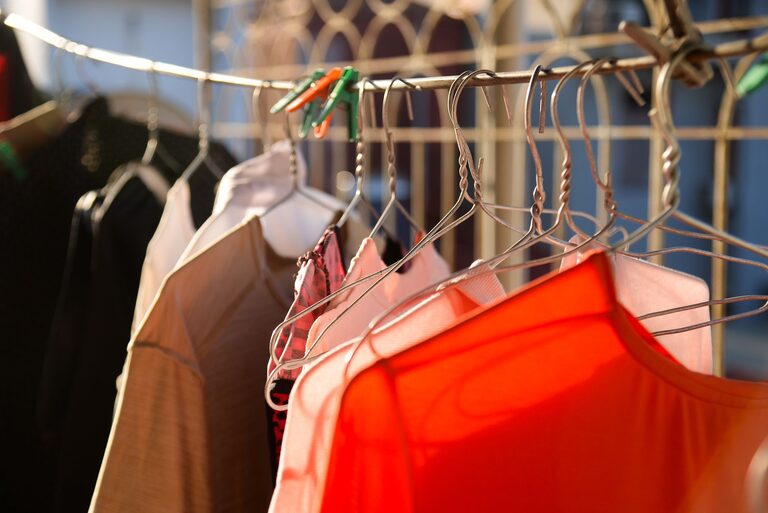
Clothes can stay in good condition for years when they receive the right care. Small changes to your laundry routine, storage habits, and repair approach can help prevent fading, stretching, shrinking, pilling, and other common types of wear.
Caring for clothing longer is also a practical way to make the most of what you already own. Before replacing an item, try these simple habits to protect your wardrobe and keep favorite pieces looking their best.
Read the Care Label
Care labels provide the most reliable starting point for cleaning and maintaining a garment. They explain whether an item should be machine washed, hand washed, dry cleaned, air dried, or ironed.
Look for information about:
– Washing temperature
– Recommended cycle
– Bleach use
– Drying instructions
– Ironing temperature
– Professional cleaning
When a label says “wash cold” or “air dry,” follow the instruction whenever possible. High heat and harsh washing conditions can damage fibers, weaken seams, and cause colors to fade.
If the label is missing or difficult to read, choose the gentlest reasonable method. Cold water, a mild cycle, and air drying are generally safer than hot water and high heat.
Wash Clothes Only When Needed
Washing clothes too often can cause unnecessary wear. Not every item needs to go into the laundry basket after one use.
Outer layers such as jackets, sweaters, and jeans may only need washing when they are visibly dirty, have an odor, or have absorbed sweat. Between wears, hang them in a well-ventilated area so they can air out.
Of course, underwear, socks, workout clothing, and items with stains or strong odors should be washed after use. The goal is not to avoid cleaning clothes but to avoid cleaning them more frequently than necessary.
Before washing an item, ask:
– Is it visibly dirty?
– Does it smell?
– Does it need cleaning, or just airing out?
– Can a small spot be treated instead of washing the whole garment?
This approach can reduce fading and fabric stress while saving water and energy.
Sort Laundry Carefully
Sorting laundry by color and fabric type helps protect garments from damage. At minimum, separate lights, darks, and bright colors. New dark or vivid items may release dye during their first few washes, so wash them separately or with similar colors.
It also helps to separate heavy items from delicate ones. Towels, denim, and clothing with zippers can rub against lightweight fabrics and cause snags or premature wear.
Before starting a load:
– Check pockets for pens, tissues, and other items.
– Close zippers to prevent scratching.
– Fasten hooks and buttons when appropriate.
– Turn printed, dark, or delicate clothes inside out.
– Place small or fragile items in a mesh laundry bag.
Avoid overfilling the washing machine. Clothes need room to move through the water and detergent. A tightly packed load may not clean properly and can create extra friction between garments.
Use the Right Amount of Detergent
More detergent does not necessarily mean cleaner clothes. Excess detergent can leave residue in fabric, attract dirt, and make clothing feel stiff. It may also require additional rinsing.
Follow the instructions on the detergent package and adjust the amount for the size of the load and the level of dirt. If your clothes are only lightly soiled, a smaller amount may be enough.
Choose a gentle detergent for delicate fabrics and avoid using strong products unless they are suitable for the garment. When treating stains, test a small hidden area first to make sure the product does not cause discoloration.
Choose Cooler, Gentler Wash Settings
Cold or cool water is suitable for many everyday loads and can help reduce fading and shrinkage. It is also a good choice for dark clothing and delicate fabrics.
Use the gentlest cycle that will clean the garment properly. Delicate, wool, and hand-wash cycles use less agitation than regular cycles, which can help protect fibers.
Avoid washing delicate items with heavy clothing. Lace, silk, fine knits, and lightweight fabrics are more likely to stretch or snag when they are washed alongside rough materials.
Treat Stains Promptly
Fresh stains are often easier to remove than stains that have dried. Blot liquid spills with a clean cloth instead of rubbing, which can push the stain deeper into the fabric.
For solid spills, gently lift away excess material with a spoon or the edge of a dull utensil. Apply a suitable stain treatment according to the garment label, then wash the item as soon as possible.
Do not place a stained garment in the dryer until the stain is gone. Heat can set many stains and make them much harder to remove. If a mark remains after washing, repeat the treatment before drying.
Dry Clothes With Care
The dryer is convenient, but heat can shorten the life of many garments. It may cause shrinking, weaken elastic, and contribute to fading or fabric damage.
Whenever practical, air dry clothing. Use a drying rack, clothesline, or sturdy hanger, depending on the garment. Shape knitwear and other stretchy items while damp, then lay them flat so they do not lose their form.
For items that can go in the dryer:
– Use a lower heat setting.
– Remove clothes while they are slightly damp.
– Avoid over-drying.
– Clean the lint filter before each load.
– Dry similar fabrics together.
Do not hang heavy, wet sweaters from thin hangers. The weight of the water can stretch the shoulders. Instead, lay these garments flat on a clean, dry towel or drying rack.
Store Clothing Properly
Good storage protects clothing between wears. Make sure garments are clean and completely dry before putting them away. Storing damp or dirty clothing can lead to odors, mildew, and fabric damage.
Use suitable hangers for jackets, shirts, and dresses. Padded or shaped hangers can help delicate garments keep their form, while sturdy hangers are better for heavier items. Avoid overcrowding the closet because tight spaces can wrinkle clothing and reduce airflow.
Fold sweaters, knits, and stretchy garments instead of hanging them. Store folded clothing in clean, dry drawers or shelves. Keep seasonal items in breathable storage containers, and avoid placing clothing directly on a damp basement or garage floor.
Allow shoes, coats, and other frequently worn items to air out before storing them.
Repair Small Problems Early
A loose button, tiny hole, or separated seam can become a larger problem if ignored. Keep a basic repair kit with needles, matching thread, spare buttons, small scissors, and safety pins.
Simple repairs may include:
– Reattaching a button
– Securing a loose hem
– Closing a small seam
– Removing a loose thread
– Replacing a worn shoelace
For complex repairs, consider using a tailor or alterations service. Repairing a well-fitting garment is often easier than replacing it, and small fixes can help preserve clothing you enjoy wearing.
Rotate Your Wardrobe
Wearing the same few items repeatedly can cause uneven wear. Rotate clothing so that individual pieces have time to rest between uses.
A simple rotation system can help you notice what you own and prevent certain garments from being forgotten. Keep frequently worn items accessible, but give less-used clothing a regular place in your wardrobe.
Taking a few minutes each season to review your clothes can also help you identify items that need cleaning, repair, or better storage.
Build Better Clothing Habits
Clothing lasts longer when daily habits support it. Remove jewelry or bags that may snag fabric before getting dressed. Avoid sitting on rough surfaces in delicate clothing, and follow the recommended instructions for ironing and steaming.
When packing clothes for travel, fold or roll them carefully and avoid placing sharp objects directly against fabric. After returning home, unpack clothing promptly and air out anything that became damp or compressed.
With thoughtful washing, careful drying, proper storage, and timely repairs, you can keep your clothes comfortable and presentable for much longer. The best routine is one that is simple enough to follow consistently.