

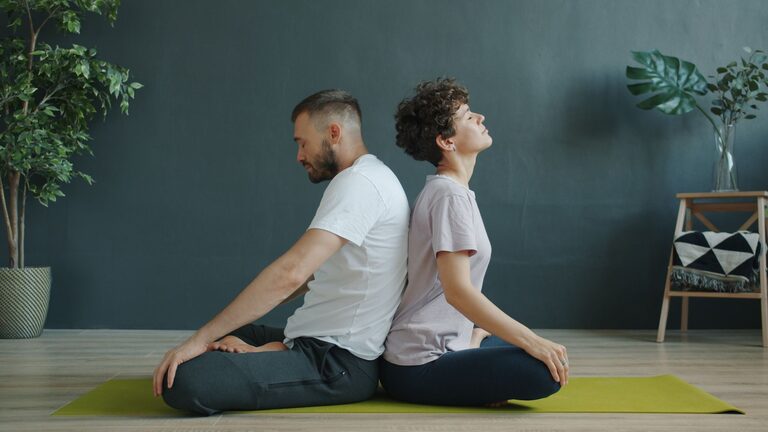
Mindful breathing breaks are simple pauses that help you notice your breath and reconnect with the present moment. They do not require special equipment, a quiet room, or a large block of free time. With a few minutes and a comfortable position, you can create a small reset during a busy day.
The goal is not to breathe perfectly or clear your mind completely. Instead, mindful breathing means paying gentle attention to the natural rhythm of your breath. When your attention wanders, you simply notice it and return to breathing.
What Is a Mindful Breathing Break?
A mindful breathing break is a short pause focused on breathing and present-moment awareness. It can last anywhere from a few breaths to several minutes.
During a break, you might notice:
– The feeling of air moving through your nose
– The rise and fall of your chest or belly
– The pace and depth of your breathing
– Sounds, sensations, or thoughts around you
– Whether your body feels tense or relaxed
There is no need to change your breathing right away. Start by observing it as it is. This approach makes the practice accessible, even when you are new to mindfulness.
Start With a Comfortable Setup
You can practice almost anywhere, but a few small adjustments may make it easier.
Choose a position that allows you to stay alert and comfortable. You can sit in a chair, stand, or even remain at your desk. Let your shoulders rest naturally, and keep your hands loose. If you are sitting, place both feet on the floor if that feels comfortable.
You do not need to sit perfectly still. Small movements, such as adjusting your posture or stretching your neck, are fine. Comfort is more important than appearance.
If possible, reduce distractions for a short time. Turn down notifications, close an unused browser tab, or let people nearby know you are taking a brief pause. Even a small amount of quiet can help you focus.
Begin With Three Natural Breaths
A simple starting point is the three-breath pause.
- Stop what you are doing, if it is safe to do so.
- Notice your current posture.
- Take one natural breath and pay attention to the inhale.
- Notice the exhale without forcing it.
- Repeat for two more breaths.
- Return to your activity slowly.
These breaths do not have to be deep. Avoid trying to fill your lungs more than feels comfortable. The practice is about noticing, not performing.
Once three breaths feels familiar, you can gradually extend the pause to one or two minutes.
Use a Simple Point of Focus
Your mind may wander during a breathing break. That is normal. A clear point of focus can make it easier to return your attention.
Try focusing on one of these sensations:
– Air moving at the tip of your nose
– Your abdomen gently moving
– Your chest rising and falling
– The sensation of your feet touching the floor
– The soft sound of each breath
Choose one point and stay with it for a few breaths. When you notice that you are thinking about work, plans, or something else, label it gently as “thinking.” Then return to the chosen sensation.
There is no need to criticize yourself. Returning your attention is a central part of the practice.
Try a Short Count
Counting can be useful when your thoughts feel especially busy. Start with a simple count:
– Inhale naturally.
– Exhale naturally.
– Count one.
– Continue until you reach five.
– Begin again at one.
If you lose track, restart at one without frustration. The counting is not a test. It is simply an anchor for your attention.
You can also count the length of your break rather than your breath. For example, set a timer for two minutes and practice until it rings. A gentle sound is usually better than a loud or startling alarm.
Connect Breathing Breaks to Daily Activities
A regular cue can help turn mindful breathing into a habit. Choose activities that already happen every day, such as:
– Before opening your email
– After making a cup of coffee or tea
– Before starting a meeting
– When you sit down at your desk
– After finishing a task
– Before getting into your car
– During a screen break
– While waiting for a page or file to load
You can also use transitions as reminders. Take a few mindful breaths when moving from one task to another. This creates a clear pause between activities and may help you begin the next task with more attention.
Keep the First Sessions Short
Beginners often try to practice for too long too soon. A short, consistent break is usually easier to maintain than an ambitious routine.
Try this gradual approach:
First week
Take one mindful breathing break each day for about one minute.
Second week
Add a second break, or extend one break to two or three minutes.
After that
Continue with a routine that fits your schedule. Some people prefer several short breaks, while others enjoy one longer pause.
There is no required number of sessions. Choose a pace that feels realistic and sustainable.
Notice Common Challenges
It is normal to encounter distractions, restlessness, or uncertainty. These experiences do not mean you are doing the practice incorrectly.
“I cannot stop thinking.”
You do not need to stop thinking. Notice the thought, allow it to be there, and return to your breath. Mindfulness includes recognizing when attention has wandered.
“My breathing feels awkward.”
This can happen when you pay attention to something that usually happens automatically. Try relaxing your effort and letting your breath return to its natural rhythm.
“I do not have enough time.”
Start with one breath. A short pause can still create a moment of awareness. You can practice while waiting for a document to open or before answering a phone call.
“I keep forgetting.”
Use reminders that fit your routine. A calendar alert, a note near your workspace, or a small mark on your daily task list can help. Over time, connect the practice with an existing habit.
Practice Safely and Comfortably
Mindful breathing should feel comfortable and unforced. Avoid holding your breath or deliberately taking very deep breaths unless you are following guidance from a qualified professional. If you feel dizzy, uncomfortable, or short of breath, stop and return to normal breathing.
You can practice with your eyes open, closed, or softly focused on one spot. Keeping your eyes open may feel more appropriate in public places or at work.
If focusing on breathing feels uncomfortable, choose another point of attention, such as the feeling of your feet on the floor or the sounds in the room.
Make It Your Own
The most useful breathing break is one you will actually use. Keep the practice simple and flexible. You might prefer a quiet pause, a few counted breaths, or a brief check-in with your posture and surroundings.
At the end of each break, notice how you feel without judging the result. You may feel calmer, more alert, unchanged, or still distracted. Every session offers a chance to practice paying attention.
With regular use, mindful breathing breaks can become a practical way to create space in a busy day. Begin with a few natural breaths, return gently when your attention wanders, and let consistency matter more than perfection.