

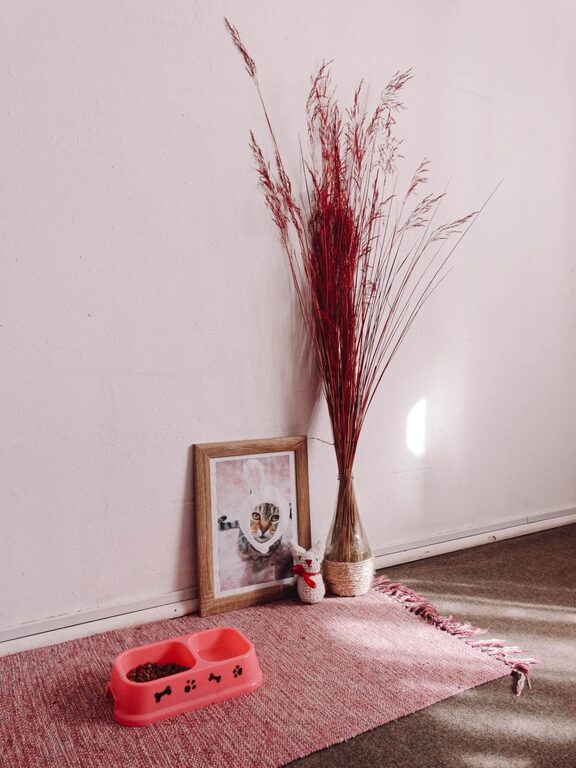
Why Create a Pet-Friendly Home Corner?
A dedicated pet-friendly corner gives your animal a comfortable place to rest, play, and feel secure. It also helps keep pet supplies organized and makes everyday care easier for everyone in the household.
Your pet’s corner does not need to take up much space. A small area in the living room, bedroom, mudroom, or home office can work well. The most important qualities are safety, comfort, cleanliness, and easy access.
Before setting up the space, consider your pet’s size, age, habits, and mobility. A young dog may need room for toys and training supplies, while an older cat may prefer a quiet area with easy access and soft bedding.
Choose the Right Location
The location of your pet’s corner affects how comfortable and useful it will be. Choose a place that fits your pet’s daily routine and your household layout.
Look for an area that is:
– Away from busy walkways and doorways
– Free from strong drafts or direct heat
– Easy to clean
– Close enough for your pet to feel connected to the household
– Large enough for your pet to stand, turn around, and stretch
– Well lit without harsh or constant bright light
Many pets like being near their people, so a corner of the living room may be ideal. However, pets that become easily overwhelmed may prefer a quieter space. Watch your pet’s behavior after setting up the corner. If they avoid it, the location may be too noisy, too exposed, or uncomfortable.
Keep food and water away from litter boxes, cleaning products, and areas where dirt or spills are common. If you have more than one pet, make sure each animal has enough room and access to separate resources when needed.
Set Up a Comfortable Resting Area
A comfortable bed is the foundation of a pet-friendly corner. Select bedding that suits your pet’s size and sleeping style. Some pets prefer cushioned beds with raised edges, while others like flat mats or washable blankets.
When choosing bedding, consider:
– A suitable size for stretching and changing positions
– A sturdy, supportive base
– A washable cover
– Materials that are comfortable in your home’s climate
– Easy access for pets with limited mobility
Place the bed on a stable surface so it does not slide when your pet climbs in or out. A nonslip mat underneath can help protect floors and make the area more secure.
Keep one or two familiar items nearby, such as a favorite blanket or soft toy. Familiar scents can make a new space feel welcoming. Avoid filling the area with too many items, as clutter can make it harder to clean and may reduce the available resting space.
Wash bedding regularly according to the care instructions. A spare cover or blanket makes it easier to keep the area fresh while the main bedding is being cleaned.
Add Safe Storage for Pet Supplies
Organized storage keeps your pet’s corner neat and helps prevent accidents. Use a small cabinet, basket, shelf, or storage bin for everyday supplies.
Useful items to store nearby include:
– Leashes and collars
– Grooming brushes
– Toys
– Spare bedding
– Waste bags
– Towels
– Food accessories
– Cleaning cloths
Keep food and treats in sealed containers to protect freshness and reduce unwanted odors. Labeling containers can make daily routines faster, especially if different household members share pet care tasks.
Store medications, supplements, chemicals, batteries, small objects, and sharp grooming tools somewhere your pet cannot reach. Even if a storage box has a lid, make sure it closes securely and cannot be easily knocked over.
For homes with children, choose storage that keeps pet-only items separate from toys and household supplies. This helps reduce confusion and keeps small items out of reach.
Make the Space Safe
Safety should guide every part of the setup. Look around the corner from your pet’s level to identify possible hazards that may be easy to miss from standing height.
Check for:
– Loose electrical cords
– Small objects that could be swallowed
– Unstable furniture
– Sharp corners
– Accessible plastic bags
– Houseplants that may not be pet-safe
– Open containers
– Fragile decorations
– Gaps behind furniture
Use cord covers or secure cables against the wall. Anchor tall shelves and cabinets so they cannot tip over. Avoid placing heavy objects on high shelves above the pet’s bed.
If your pet likes to chew, choose durable materials and inspect toys regularly. Remove damaged toys before pieces become loose. For cats, keep climbing furniture stable and position it away from windows or shelves that could be knocked over.
Include Food and Water Thoughtfully
Some pet corners work well with a feeding station, while others are better suited to resting and storage only. If you place food and water nearby, use sturdy bowls that are difficult to tip over.
A washable mat underneath the bowls can protect the floor from spills and make cleanup easier. Choose a mat with a nonslip surface so it stays in place.
Keep the feeding area separate from your pet’s bed when possible. This gives your pet distinct spaces for eating and resting. It can also help prevent crumbs and moisture from reaching the bedding.
Refresh water regularly and clean bowls as part of your normal household routine. Place the feeding station somewhere your pet can reach easily without having to squeeze between furniture or cross a busy walkway.
Add Enrichment Without Creating Clutter
A pet-friendly corner should be more than a place to sleep. A few carefully chosen enrichment items can make the area more inviting and support healthy daily activity.
Consider adding:
– A small selection of safe toys
– A scratching surface for cats
– A durable chew item for dogs
– A soft tunnel or hideaway for appropriate small pets
– A puzzle feeder used under supervision
– A window view, if it is safe and suitable
Rotate toys instead of leaving all of them out at once. This keeps the area tidy and may make familiar toys feel more interesting when they return.
Avoid placing stimulating toys in the sleeping area if your pet has difficulty settling down. You can create a nearby play zone while keeping the bed area calm.
Keep Cleaning Simple
A well-designed pet corner should be easy to maintain. Choose washable, durable surfaces and avoid materials that trap hair or absorb spills.
Create a simple cleaning routine:
- Remove loose hair and debris regularly.
- Wash bedding according to the manufacturer’s instructions.
- Wipe down storage bins and feeding mats.
- Clean bowls and water containers often.
- Inspect toys, beds, and furniture for damage.
- Refresh the area when it develops odors or visible dirt.
Keep basic cleaning supplies nearby, but store them securely and away from your pet. A small washable rug can protect the floor, but it should be cleaned regularly to prevent odors and buildup.
Adjust the Corner Over Time
Your pet’s needs may change with age, health, activity level, or household routines. Reassess the corner every few months and make small improvements as needed.
A growing puppy may need larger bedding and more durable storage. An older pet may benefit from a lower bed, better traction, or a location closer to food and water. A nervous pet may need more privacy, while a social pet may prefer a spot where family activity is visible.
The best pet-friendly corner is practical, comfortable, and easy to maintain. By choosing a suitable location, providing secure essentials, and observing your pet’s preferences, you can create a welcoming space that fits naturally into your home.