

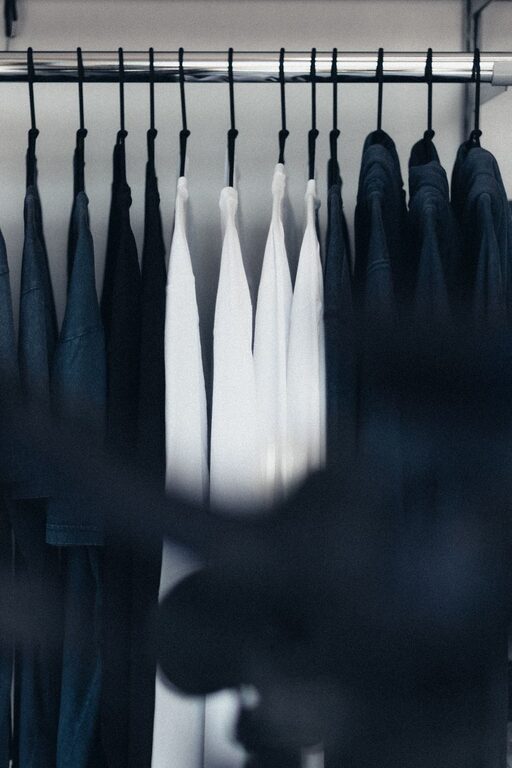
A capsule wardrobe is a small collection of clothing that works well together. Instead of filling your closet with items you rarely wear, you focus on versatile pieces that suit your lifestyle, fit comfortably, and can be combined in many ways.
Building a capsule wardrobe does not mean following strict rules or owning as few clothes as possible. It is about making your closet easier to use and choosing clothing with intention. With a little planning, you can create more outfits, reduce daily decisions, and make shopping more focused.
What Is a Capsule Wardrobe?
A capsule wardrobe is a selected group of clothing items designed to be mixed and matched. It usually includes everyday basics, a few layers, suitable shoes, and some accessories.
The exact number of pieces depends on your needs. One person may feel comfortable with 25 items, while another may need 40 or more because of work, hobbies, weather, or family life. There is no required number.
A successful capsule wardrobe should:
– Include clothes that fit your current lifestyle
– Contain items that work together
– Reflect your personal style
– Offer options for different activities and weather
– Make getting dressed simpler
Start With Your Lifestyle
Before removing clothes or buying anything new, consider how you spend most of your time. Your wardrobe should support your real routine, not an imagined one.
Ask yourself:
– Do you work from home, in an office, or outdoors?
– How often do you need dressy outfits?
– Do you spend most weekends at home, traveling, or being active?
– What weather do you experience throughout the year?
– Do you need clothing for specific hobbies or activities?
– How often do you do laundry?
For example, someone who works in a casual office may need several comfortable tops and smart pants. Someone who works from home may prefer knitwear, jeans, and relaxed layers. A person who attends regular events may need a few polished options.
Write down the types of outfits you need most often. This list will help you avoid building a wardrobe around clothing that looks appealing but does not match your daily life.
Choose a Simple Color Palette
A coordinated color palette makes it easier to combine your clothes. Start with two or three neutral colors, such as:
– Black
– White
– Gray
– Navy
– Brown
– Beige
– Cream
– Olive
Then add one or two accent colors that you enjoy wearing. These could be blue, red, green, yellow, or any other shades that suit your preferences.
You do not need every item to match perfectly. The goal is to create enough harmony that most pieces can be worn together. If you prefer colorful clothing, choose a few colors that work well as a group and use neutrals for balance.
When selecting colors, consider what you already own. Keeping some of your existing favorites can make the process easier and less expensive.
Review Your Current Closet
Take everything out of your closet and sort your clothing into groups. You might use these categories:
– Keep and wear often
– Keep but review later
– Repair or alter
– Donate or sell
– Recycle if damaged
Try on items that you are unsure about. Check whether they fit comfortably, suit your current style, and work with other pieces. Clothing that is uncomfortable, difficult to care for, or rarely worn may not deserve space in your main wardrobe.
Pay attention to repeated purchases. If you own five similar black tops but only wear two, keep the best-fitting options and set the others aside. Also note any missing basics, such as a versatile jacket or comfortable everyday shoes.
Avoid making quick decisions based only on trends. If an item is useful, comfortable, and regularly worn, it can belong in your capsule wardrobe even if it is not a traditional basic.
Build Around Essential Categories
A basic capsule wardrobe often includes the following categories:
Tops
Choose a mix of T-shirts, shirts, blouses, sweaters, and lightweight layers. Select styles that can be worn alone or under jackets and coats.
A starting point might include:
– Two or three everyday T-shirts
– One or two more polished tops
– One button-down shirt or blouse
– Two sweaters or cardigans
– One long-sleeved layering top
Bottoms
Look for bottoms that work with several tops and suit your usual activities. Depending on your style, you might include:
– One pair of jeans
– One pair of casual pants
– One pair of smarter trousers
– One skirt or pair of shorts
– One comfortable option for relaxed days
The best choices are items you can wear in several settings rather than pieces that only work with one outfit.
Layers
Layers add variety and help you dress for changing temperatures. Consider including:
– A casual jacket
– A cardigan or overshirt
– A blazer or structured jacket
– A warm coat for cold weather
– A rain jacket or other weather-appropriate layer
Choose layers that fit comfortably over your tops without feeling bulky.
Shoes
Shoes should match your routine and provide comfort. A basic collection might include:
– Everyday sneakers
– Comfortable casual shoes
– Dressier shoes
– Boots or weather-ready footwear
– Sandals, if appropriate for your climate
You may not need every category. Focus on the shoes you actually wear and make sure they work with several outfits.
Use the Three-Outfit Test
Before adding an item to your capsule wardrobe, try to create at least three outfits with it using clothing you already own. This test helps prevent one-use purchases.
For example, a new shirt might work with jeans, trousers, and a skirt. A jacket might work over a T-shirt, sweater, and dress. If you cannot create several combinations, consider whether the item fills an important need.
You can also take photos of your favorite outfits. Keeping a small collection of outfit ideas on your phone can make busy mornings easier and help you remember combinations you enjoy.
Consider Fabric and Care
Clothing that looks good but requires constant special care may not be practical for everyday use. Check the washing instructions and think about how much maintenance you are willing to do.
When possible, choose durable fabrics and well-constructed items. Look at seams, buttons, zippers, and the overall fit. Higher quality does not always mean higher cost, but clothing that lasts longer can reduce the need for frequent replacements.
Comfort matters just as much. A capsule wardrobe should not force you to wear stiff, scratchy, or restrictive pieces. The most useful clothes are items you feel comfortable reaching for repeatedly.
Shop With a Specific List
Once you understand what you own and what is missing, create a short shopping list. Separate essential gaps from optional additions.
For example:
– Essential: comfortable everyday shoes
– Essential: a versatile jacket
– Optional: another patterned shirt
– Optional: a seasonal accessory
Wait before buying items that are only appealing in the moment. Consider whether the piece fits your color palette, lifestyle, and existing wardrobe. Also check whether you already own something similar.
Shopping with a list helps reduce impulse purchases and keeps your capsule wardrobe focused.
Adjust Your Wardrobe Over Time
A capsule wardrobe is not a one-time project. Your needs, preferences, work, climate, and body may change. Review your clothing at the beginning of each season or every few months.
Store out-of-season items separately if you have limited space. As you rotate clothing, note what you wear often and what remains untouched. These patterns can guide future purchases.
You can also create smaller seasonal capsules. A spring wardrobe may focus on lightweight layers, while a winter wardrobe may include warm sweaters and sturdy boots. Some basics, such as jeans, shirts, and sneakers, can remain in use throughout the year.
Final Tips for Success
Keep the process practical and personal. A capsule wardrobe does not need to look a certain way, follow a trend, or meet a specific item count.
Remember to:
– Start with the clothes you already enjoy wearing
– Choose comfort and fit over trends
– Keep enough variety for your real activities
– Use colors and layers to create more combinations
– Repair useful pieces when possible
– Review your wardrobe regularly
– Buy slowly and with a clear purpose
The goal is a closet that supports your life. When your clothes work well together and suit your daily routine, getting dressed becomes easier, shopping becomes more intentional, and every item has a better chance of being worn.